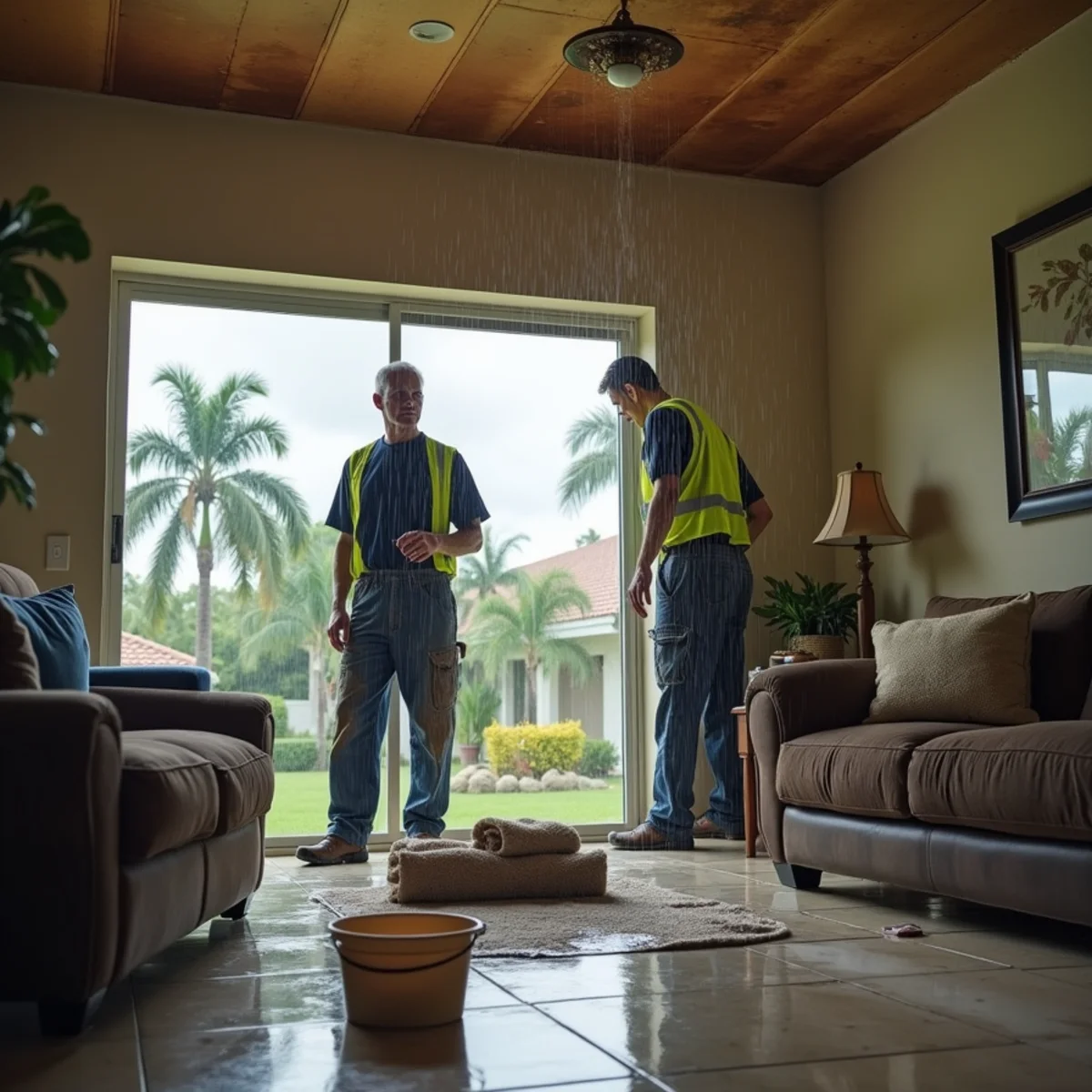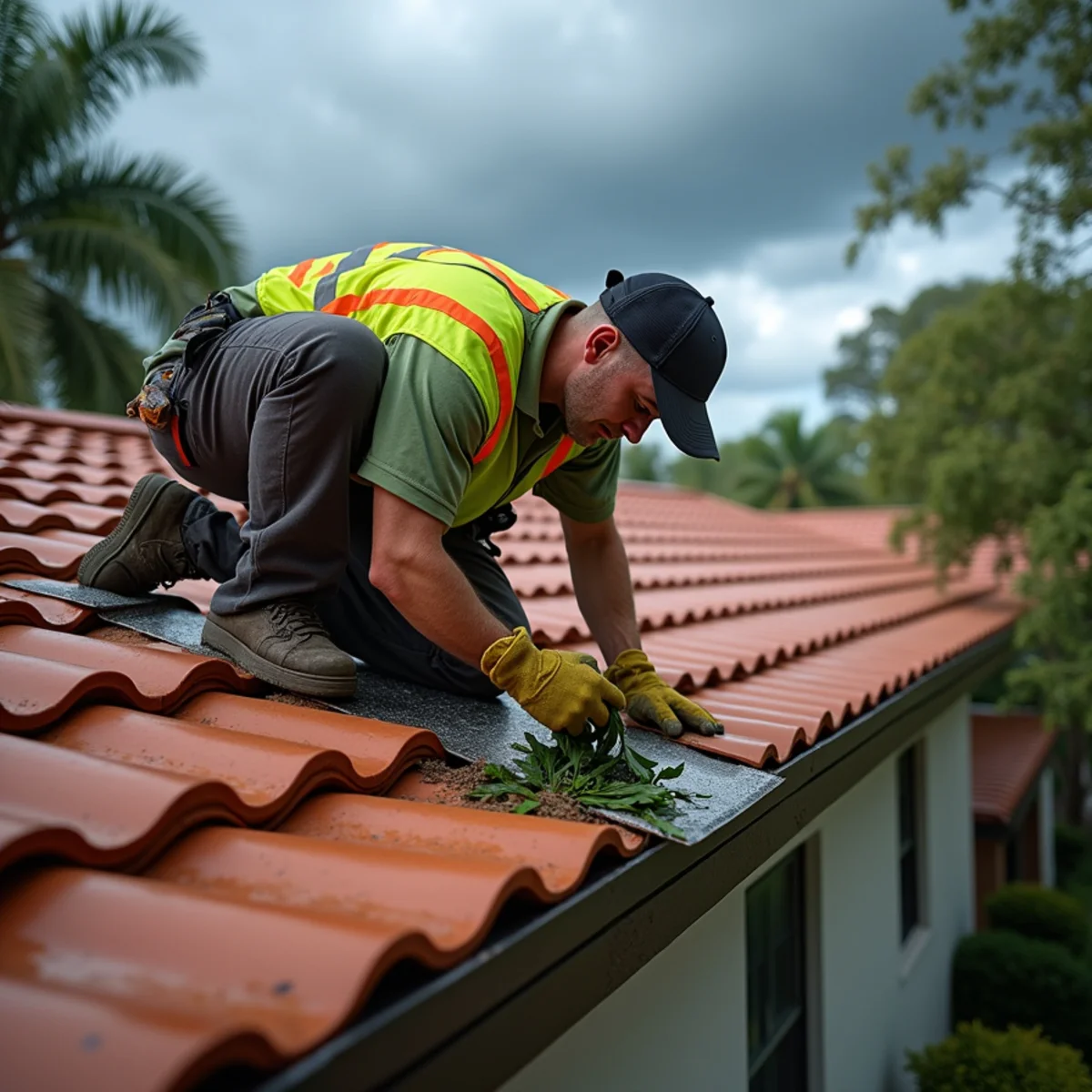
Roof leak repair in Boca Raton starts with finding where water actually enters, which is often several feet from the stain, and then fixing that entry point instead of sealing over the spot above the ceiling. Rising Roof Services traces leaks through the attic and across shingle, tile and flat roofs, shows you the source in photos and puts the repair in a written scope.
A ceiling stain is where a leak ends, not where it starts. Water can enter at a cracked pipe boot, run along a truss or the underside of the tile for several feet, then drop onto drywall in a completely different room. Fixing the stain’s location without tracing that path is the most common reason roof leaks come back.
Rising Roof Services finds and fixes leaks on shingle, tile and flat roofs across Boca Raton. If water is pouring in or the roof is open after a storm, call about emergency roof repair instead. Tile roofs have their own leak patterns, which we cover on our tile roof repair page.
Reviewed by the Rising Roof Services team · Boca Raton, FL

Signs of a roof leak
In South Florida, leaks usually reveal themselves during or right after the afternoon thunderstorms that build through summer.
Ceiling stains or bubbling paint
Yellow-brown rings or sagging drywall mean water has been reaching the ceiling, sometimes for a while.
Drips only in wind-driven rain
Leaks that appear in certain storms often point to flashing or wall details facing the prevailing wind.
Musty smell in closets or the attic
Moisture that never shows on a ceiling can still feed mold in insulation and framing.
Water near light fixtures or AC vents
Openings through the ceiling give water an easy path down into the room.
Stained or peeling soffits
Water at the eaves often comes from failed drip edge, missing bird stop or overflowing gutters.
A damp wall below a roof-to-wall junction
Missing or corroded counterflashing and stucco stop let water run behind the stucco.
What a leak repair visit covers
Leak work is detective work first and roofing second. Each visit follows the same sequence so the fix lands on the right spot.
Your leak history, taken first
We ask when the water shows up, in which rooms and during which storms, because timing narrows the search before anyone climbs a ladder.
Attic tracing above the stain
Water trails on trusses, darkened decking and wet insulation are followed upslope to where they begin.
Non-roof causes ruled in or out
AC condensate lines, sweating ductwork, plumbing and window or stucco openings are checked, so you don’t pay for roof work that won’t stop the water.
Everything upslope inspected
Valleys, flashings and penetrations uphill of the entry are examined too, since older roofs often have a second source feeding the same stain.
Sequenced water testing when needed
For leaks that only appear in certain storms, sections are wetted one at a time from the bottom up, so each test points at a single detail.
The entry point fixed and photographed
You see the failed boot, flashing or underlayment before and after the repair, not a smear of sealant over the surface.
A follow-up after the next heavy rain
We ask you to watch the same ceiling through the next downpour and check in afterward to confirm it stayed dry.
How we track down and fix a leak
- 1
Call
Tell us where the water appears, when it happens and what kind of roof you have. If it’s actively leaking, say so.
- 2
Trace from inside and out
We check the attic above the stain, follow water trails back up the deck, then inspect that area of the roof and everything upslope.
- 3
Photos and written scope
We show you the entry point in photos and write up the repair, including any related damage we found.
- 4
Repair the cause
Typical fixes include new pipe boots, rebuilt flashing, cleared and replaced valley metal, or new underlayment beneath tile.
- 5
Cleanup and follow-up
We clean up, ask you to watch the same spot in the next heavy rain and check back with you afterward.
What affects the cost of a leak repair
The effort to fix a leak depends far more on its source than on the size of the stain.
- Source of the leak
- A pipe boot is simpler to replace than wall flashing that runs behind stucco.
- Roof covering
- Leaks under tile mean lifting and resetting tile; shingle and flat roofs involve different steps.
- Hidden damage
- Wet decking or underlayment around the entry point adds material and labor.
- Number of entry points
- Older roofs sometimes have more than one leak feeding the same stain.
- Interior drying
- Drywall and insulation work is separate from the roof, but the EPA advises drying wet materials within 24–48 hours.
We provide a written, itemized scope before work starts that separates the roof repair from any interior work you may need.
Why choose Rising Roof Services for roof leak repair
The source, shown before it’s fixed
Leaks return when the wrong spot gets sealed. We repair only after the entry point is photographed, and our reports flag any second source we suspect but can’t yet prove.
A callback the same day
A slow drip spreads through insulation faster than most people expect, so leak calls get a same-day callback. Google lists our hours as open 24 hours, so call when you find the water rather than waiting for morning.
Roof work and interior work kept apart
The written, itemized scope separates the roof repair from drywall or drying, so you know what the roofer is fixing and what belongs to a mitigation company.
Known for quick, tidy leak fixes
Reviewers single out leaks fixed quickly and crews who clean up before leaving, part of the 31 reviews behind our 5.0 Google score.
Answers you can repeat to your insurer
We explain what failed and why in plain language, a point customers raise often, so you can pass it on to an adjuster, a landlord or a family member without a translator.
5.0 stars from 31 Google reviews · Open 24 hours, 7 days · (831) 666-1600
The leak sources we find most in Boca
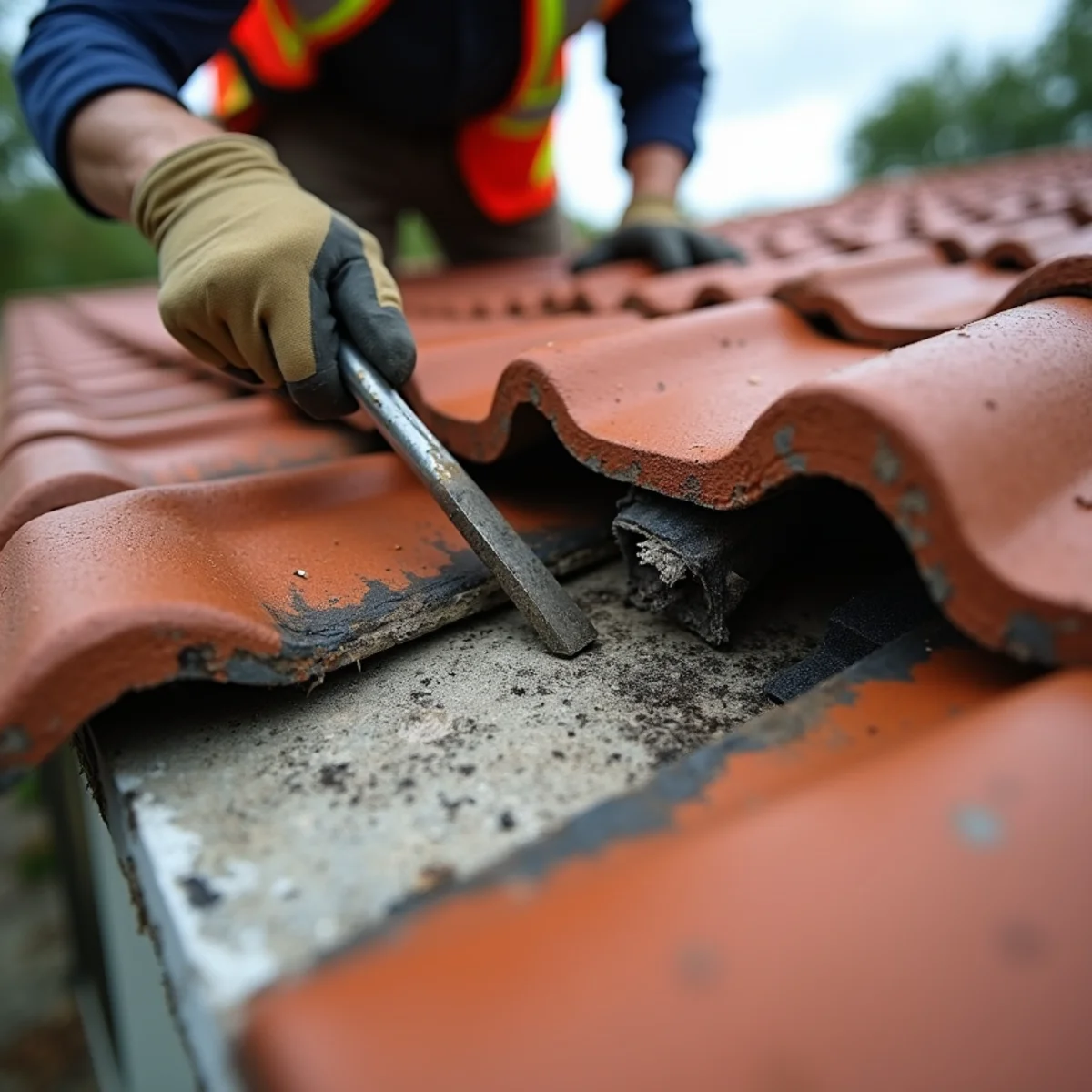
In our experience, a short list of details accounts for most leaks on local homes:
- Pipe boots and lead jacks cracked by UV or chewed by rodents.
- Valleys packed with leaves and rusting under standing water, especially on tile roofs.
- Wall and chimney flashing where stucco has cracked or counterflashing has corroded in salt air.
- Tile underlayment breaking down at the laps on original 1980s and 1990s roofs.
- Flat-roof tie-ins where a patio or Florida room meets the main roof.
Leak season in Boca Raton
Most leak calls come between May and October, when the rainy season and hurricane season overlap. Homes in Boca Del Mar and Delray Beach often combine original tile with flat additions, and those tie-ins tend to leak first. Our post on what to do when your roof leaks during a storm covers first steps, and our rainy-season maintenance tips help prevent the next one.
The first 48 hours after you find a leak
A slow roof leak is a moisture problem long before it becomes a stain. Attic insulation soaks up water and hides it, so by the time drywall discolors, the decking and insulation above may have been wet for weeks. Once you find water, pull back soaked insulation if the attic is safe to enter, run fans or a dehumidifier, and bring in a drying company if drywall or flooring is wet. The goal is dry materials within that 24–48 hour window.
Meanwhile, keep a short leak log on your phone. It often saves time tracing the entry point on the roof, and our roof insurance claim documentation page explains what else is worth keeping if you contact your insurer. Start it within the first half hour and add to it each time it rains:
- The date and time water appeared, and how long after the rain began
- Wind direction and strength, if you noticed them
- Whether it drips steadily, only in downpours, or keeps going after the rain stops
- Wide and close photos of the stain, retaken after each storm to show any spread
- Recent work on the roof: AC lines, a satellite dish, solar panels or a fallen frond
When the stain isn’t coming from the roof
Not every wet ceiling in Boca Raton is a roof leak. Many local homes have the air handler and ductwork in the attic, and in our humidity those systems produce a surprising amount of water. Before we quote a roof repair, we look for the clues below, and if the roof isn’t the problem we tell you which trade to call instead.
- Water on dry, sunny days while the AC is running usually points to a clogged condensate line or an overflowing drain pan.
- A ring around a supply register often means a duct or boot sweating in the hot attic, not rain getting in.
- Wet drywall below a window or slider during sideways rain is more often the window, its flashing or cracked stucco than the roof.
- Dampness that never stops, rain or no rain, suggests a plumbing supply or drain line rather than roofing.
- Staining right under a plumbing vent can be either one: a cracked pipe boot on the roof or a failed joint in the vent pipe below it.
What a thermal image can and can’t tell you
Infrared cameras are popular in leak detection, and they can be a useful screening tool. They show temperature differences across a ceiling or roof surface, and wet material often reads cooler. But a cool patch isn’t proof of water, and it says nothing about where the water got in. Insulation gaps, AC ducts and shade can all produce the same pattern.
Treat any thermal scan as a lead to be confirmed, with moisture readings, the attic trail and a physical entry point on the roof. If a report shows you a colorful image but no photo of the failed boot, flashing or underlayment, ask where the water actually enters before you approve the repair.
Roof Leak Repair near you
Based at Woodfield Plaza in Boca Raton, we provide roof leak repair across West Boca and nearby communities, including:
Roof Leak Repair FAQs
What should I do the moment I notice a leak?
Move furniture and electronics out of the way and catch drips in a bucket. If the ceiling is bulging, a small hole at the center lets water drain in one place instead of spreading. Take photos for your records and stay off the roof during a storm. Then call us so we can trace the source once conditions are safe.
Why did my leak come back after another roofer fixed it?
Usually because the repair addressed where water appeared, not where it entered. Sealant spread over the area above a stain, or a single tile swapped out, won’t help if the real entry is a flashing or valley several feet upslope. We trace the water path before repairing, and we show you photos of the actual entry point.
Is a small leak really urgent?
More urgent than it looks. Small leaks can soak insulation and decking for weeks before a stain shows, and the EPA recommends drying wet building materials within 24 to 48 hours to limit mold growth. Slow leaks also rot the deck sheathing, which turns a simple repair into a larger one.
Will insurance cover my roof leak?
It depends on your policy and on what caused the leak. Sudden storm damage is generally treated differently from wear and tear. We can document the cause with photos and a written scope, but we can’t promise coverage or act as your adjuster. Talk with your agent about your specific policy and deductible.
How do you find a leak that only appears in some storms?
Leaks that depend on the weather usually involve wind-driven rain pushing water sideways under flashing, tile or a stucco joint. We start with your notes on wind direction and timing, check the attic for water trails, then inspect the roof details facing that wind. Where it helps, we water-test in sections, starting low on the roof and working upward, so we know which spot lets water in before we repair it.
Should I put sealant on the roof myself?
We advise against it. Climbing a roof is the riskiest part of the job, and tile breaks easily underfoot. Sealant spread over a suspected spot also tends to trap water, hide the real entry point and make the proper repair harder later. Catch the water inside, keep your leak notes and let the source be traced first.
Can a roof that’s only a few years old leak?
Yes. Newer roofs leak from flashing details that were missed or not sealed, from penetrations added later by AC, solar or satellite installers, from valleys clogged with debris and from pieces lifted in a storm. If the roof is still under a workmanship warranty, contact the original installer first and keep a copy of your photos and leak log.