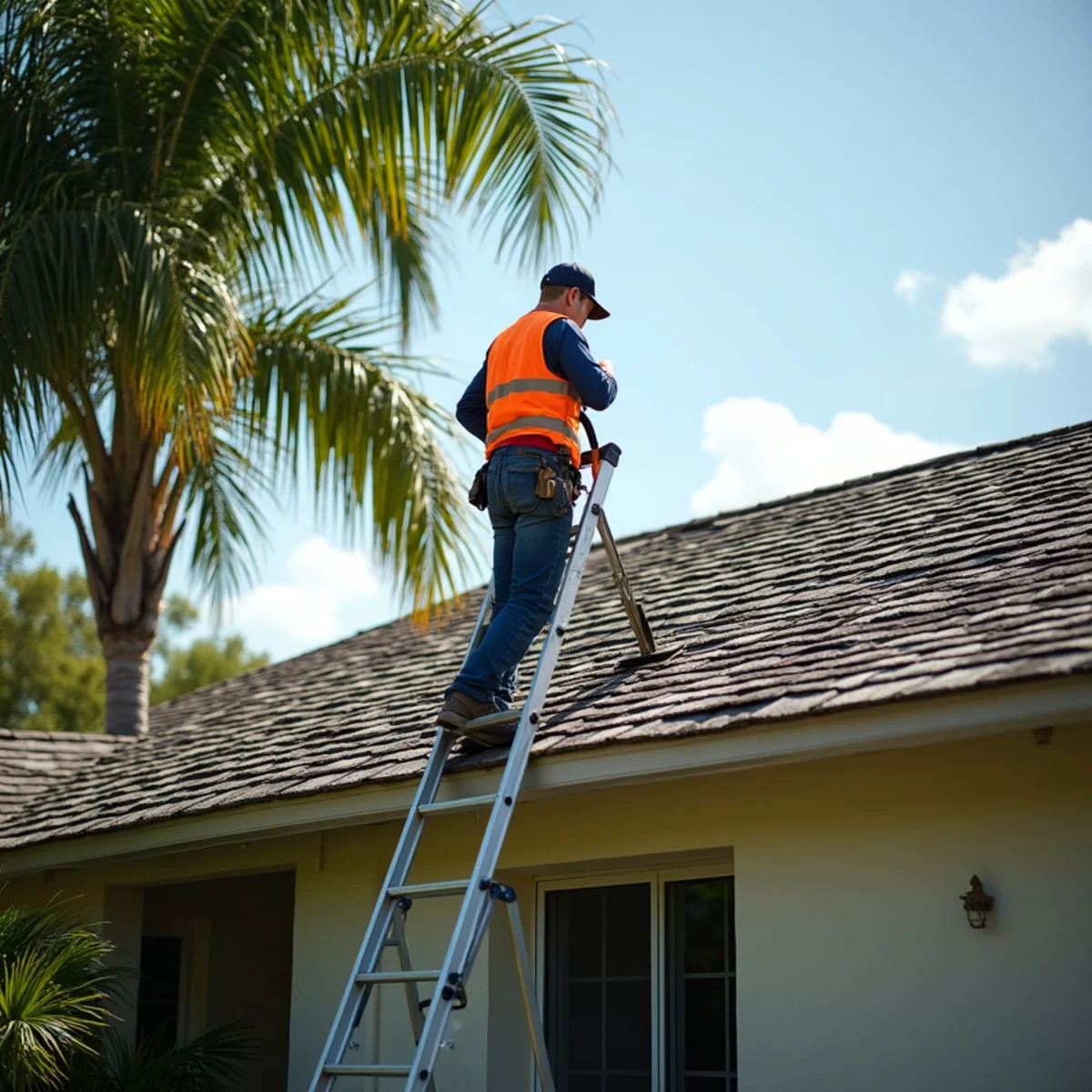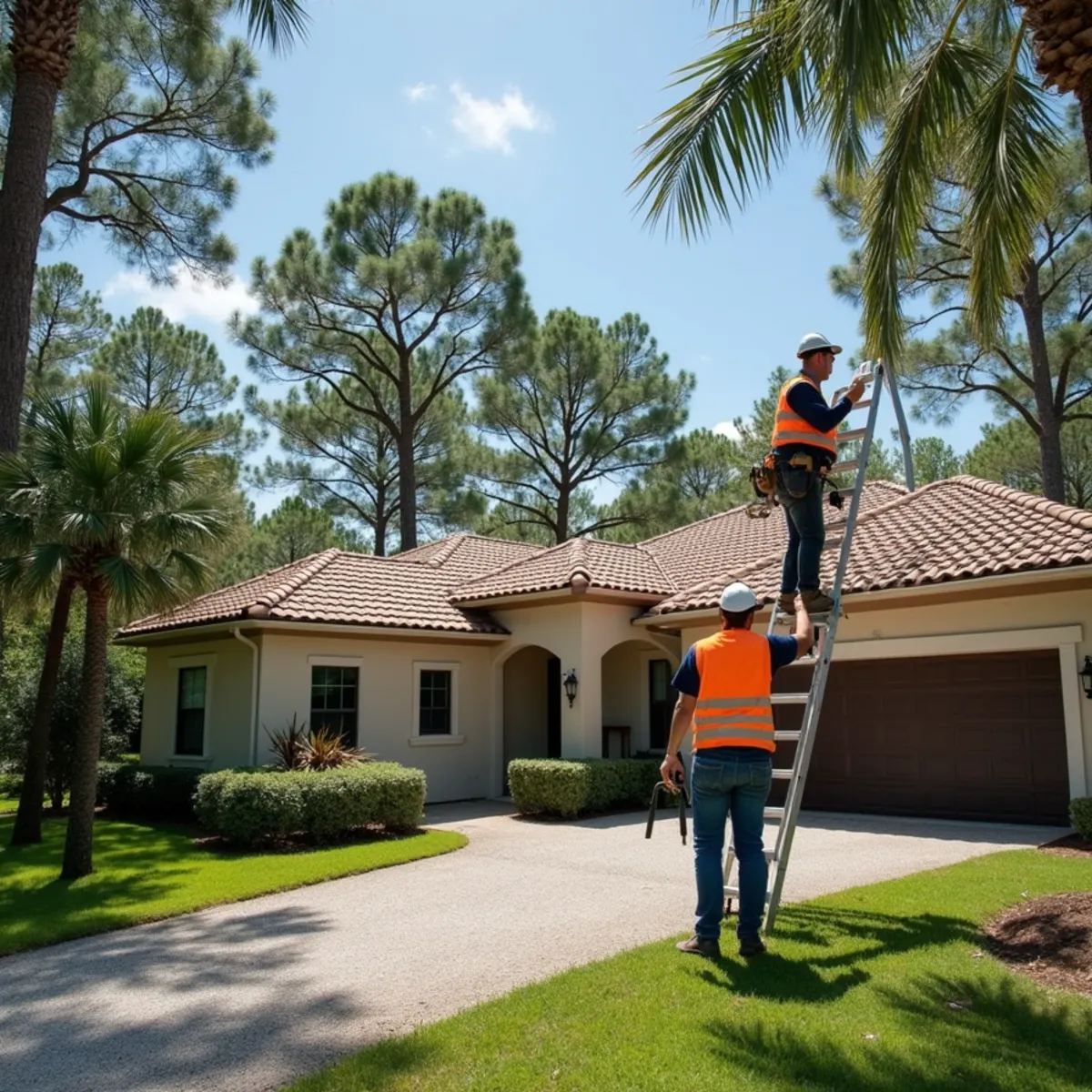
Often, yes. A Florida insurer may not turn you down or drop you just because your roof is younger than 15 years. Past that point it can ask for an inspection, and once an inspection shows five or more years of life remaining, age by itself is no longer a valid reason to refuse. Confirm current rules with your agent.
Florida law now limits how insurers can treat roof age. Under changes passed in 2022, an insurer cannot refuse to write or renew a homeowners policy solely because the roof is less than 15 years old. For older roofs, the insurer can require an inspection, and if that inspection shows at least five years of remaining useful life, the insurer cannot refuse coverage based on roof age alone. These rules continue to change, so confirm the current details with your agent.
The 15-year line
The 2022 special session legislation known as SB 2-A set the first threshold. If your roof is under 15 years old, roof age by itself is not a lawful reason to refuse to issue or renew your policy.
The key word is "solely." An insurer can still decline or non-renew for other reasons, including the roof's actual condition, prior claims, or other underwriting factors. And the rule addresses whether you can get coverage, not what it costs.
Roof age is generally counted from the last full replacement, which is why agents ask for permit records. If you re-roofed but cannot find the paperwork, the building department's permit search for your address usually shows the re-roof permit and its final inspection date. Keep a copy with your insurance documents.
How is your roof's age counted?
The statute ties roof age to the last date the entire roof surface was built or replaced under the code in effect at the time. Repairs do not reset the clock. Neither does replacing one slope after a storm, as long as the rest of the roof is original.
Partial replacements are the tricky case. If the roof was replaced in stages over several years until every section was new, the law generally counts age from the first of those partial jobs, not the last. That can surprise owners who re-roofed the back half in 2015 and the front in 2020. Keep each permit, because together they tell the story.
A practical check: take the final inspection date on your most recent full re-roof permit and count forward. A roof finaled in 2011 reaches 15 years in 2026, and that is when renewal questions tend to start.
Who can sign the roof inspection?
Florida law uses the term "authorized inspector," and the list of people who qualify was broadened in 2024. Depending on the carrier and form, it can include licensed home inspectors, building code inspectors, certain licensed contractors, professional engineers, and architects. Carriers may also insist on their own form.
Ask your agent two questions before you book anyone: which credentials the carrier accepts for the remaining-life inspection, and which form it wants completed. Citizens Property Insurance is one carrier with a roof form and eligibility thresholds of its own, and it revises them from time to time. Booking the wrong inspector or form can cost you days you may not have before the renewal deadline.
Roofs 15 years and older
Once a roof reaches 15 years, an insurer may require a roof inspection before writing or renewing the policy. The law then sets a second standard: if the inspection finds the roof has at least five years of remaining useful life, the insurer cannot refuse to write or renew solely because of the roof's age.
That puts a lot of weight on the inspection itself. Ask your agent which inspector qualifications and forms the carrier accepts, who pays for the inspection, and how soon the results are needed before your renewal date.
What an inspector looks at to judge remaining life
Remaining useful life is a judgment call based on visible condition. On a typical South Florida home, that means:
- Shingles: granule loss, curling or cupping, brittleness, cracked tabs, exposed nail heads, and prior patches
- Tile: cracked, slipped, or missing tiles; the condition of hip and ridge; signs that the underlayment beneath is aging at eaves and penetrations
- Flat sections: ponding, blistering, split seams, and worn coatings
- Flashing and penetrations: pipe boots, wall flashing, skylights, and valleys
- Attic: stains, soft decking, and daylight
- Permit history: the date of the last re-roof permit
A well-kept 17-year-old tile roof can show more remaining life than a neglected 12-year-old shingle roof. Condition, not just the calendar, drives the result.
Fix the small things before the inspection. A handful of cracked tiles or a split pipe boot can drag down an otherwise solid report.
Other inspections you might be asked for
- Four-point inspection. Often requested on older homes, it covers the roof, electrical, plumbing, and HVAC systems.
- Roof condition or certification form. Some carriers use their own roof-specific form.
- Wind mitigation inspection (OIR-B1-1802). This is not about eligibility; it documents wind-resistant features such as roof-deck attachment, roof-to-wall connections, and secondary water resistance, which can lead to premium discounts.
A professional roof inspection with clear photos and a written condition summary is useful for all three, and it gives you a record you can share with your agent.
Read your policy's roof terms
Recent reforms also allowed some policies to settle roof claims differently. Look at your declarations page and endorsements for language about a roof surfacing payment schedule or actual cash value on the roof covering. Those terms can mean an older roof is paid at a depreciated amount rather than full replacement cost after a covered loss. Ask your agent to explain what applies to you.
Citizens Property Insurance and private carriers can also have their own eligibility requirements that change over time, which is another reason to get current answers from an agent rather than relying on what a neighbor was told last year.
Delray Beach and Boynton Beach: many roofs at the threshold
In Delray Beach, the 1980s through 2000s tile subdivisions west of I-95 include plenty of roofs that have either passed 15 years or were replaced once and are approaching it again. In Boynton Beach, 1970s and 1980s ranch homes east of I-95 and newer tile communities to the west face the same timing question. For owners in both cities, knowing your roof's permit date and condition before renewal season is the practical first step.
If you receive a non-renewal or inspection request
- Read the notice closely. Note the reason given and any deadline.
- Call your agent. Ask what the carrier needs, which forms are acceptable, and whether other carriers would treat the roof differently.
- Get an inspection. Have the roof inspected and photographed so you know exactly what the carrier will see.
- Make targeted repairs. Replacing broken tiles, resealing flashing, or fixing a failed boot through roof repair can address specific items an inspector flags.
- Plan ahead if replacement is due. If the roof truly is near the end of its life, schedule replacement during the drier months, roughly November through April, when rain delays are less likely.
Think about wind mitigation at the same time
If a new roof is in your future, the re-roof is the best chance to add hurricane roof upgrades such as a sealed roof deck and improved deck attachment. Many of those items appear on the wind mitigation form, so a new roof can help on both eligibility and premium.
What we see on Boca roofs around the 15-year mark
Roofs do not age evenly, and the weak spots at 15 years are fairly predictable in this climate. On shingle roofs, the south- and west-facing slopes take the most afternoon sun and usually show granule loss, brittleness, and released seal strips well before the north side does. The rubber collars on pipe boots often crack before the shingles around them. Replacing a few boots is a small job, and a cracked one is exactly the kind of item that pulls a report down.
On tile roofs, the tile itself is usually fine at 15 years. What an inspector will focus on is what the tile is protecting: underlayment at the eaves, around plumbing vents, and along valleys, plus cracked ridge mortar and worn bird stop. Lifting a few tiles in those spots tells far more about remaining life than looking at the surface.
Flat sections over patios and additions often age fastest of all. A low-slope roof that ponds water will show blistering and seam wear years before the main roof, and one worn section can drag down the overall rating.
We will not stretch a remaining-life estimate to help a renewal. If we think the roof has five good years, we will say so and document why. If we think it does not, we will tell you that too, along with what targeted repairs could change and when replacement is the more honest answer. Whether a carrier accepts a particular report is still the carrier's decision.
Know where your roof stands before renewal
Roof age rules in Florida protect many homeowners, but they rely on an honest picture of the roof's condition. Rising Roof Services can inspect your roof, document it with photos, and tell you plainly how much life we think it has left. Call (831) 666-1600 or request an inspection before your next renewal.
Frequently asked questions
Can my insurer cancel my policy because my roof is 16 years old?
Under current Florida law, an insurer can require an inspection for a roof 15 years or older. If the inspection shows at least five years of remaining useful life, the insurer cannot refuse to write or renew solely because of age. Other reasons, such as condition or claims history, can still matter. Confirm current rules with your agent.
Is a roof inspection the same as a wind mitigation inspection?
No. A roof condition inspection estimates how much useful life the roof has left and notes defects. A wind mitigation inspection, recorded on form OIR-B1-1802, documents wind-resistant construction features that can qualify for premium discounts. Both involve the roof, and the same visit can sometimes gather information for each, but they answer different questions.
Does a tile roof last longer than 15 years for insurance purposes?
Concrete tile itself often outlasts 15 years, but the underlayment beneath it ages on its own schedule. Insurers and inspectors look at overall condition, including broken tiles, hip and ridge, flashing, and signs of underlayment wear. A tile roof in good condition may show plenty of remaining life, but age alone does not guarantee it.
Does replacing part of my roof reset its age for insurance?
Generally no. Roof age is counted from the last time the whole roof surface was replaced under the code in effect then. Re-roofing one slope or making repairs leaves the original date in place. If the roof was replaced in stages until all of it was new, age is usually counted from the first stage. Keep every permit and confirm with your agent.
Who pays for the roof inspection my insurer asks for?
In most cases the homeowner arranges and pays for it, though practices vary by carrier and some may send their own inspector. Before booking, ask your agent whether the carrier covers any of the cost, which inspector credentials it accepts, and the deadline for submitting the report. Getting those answers first avoids paying for an inspection the carrier will not use.