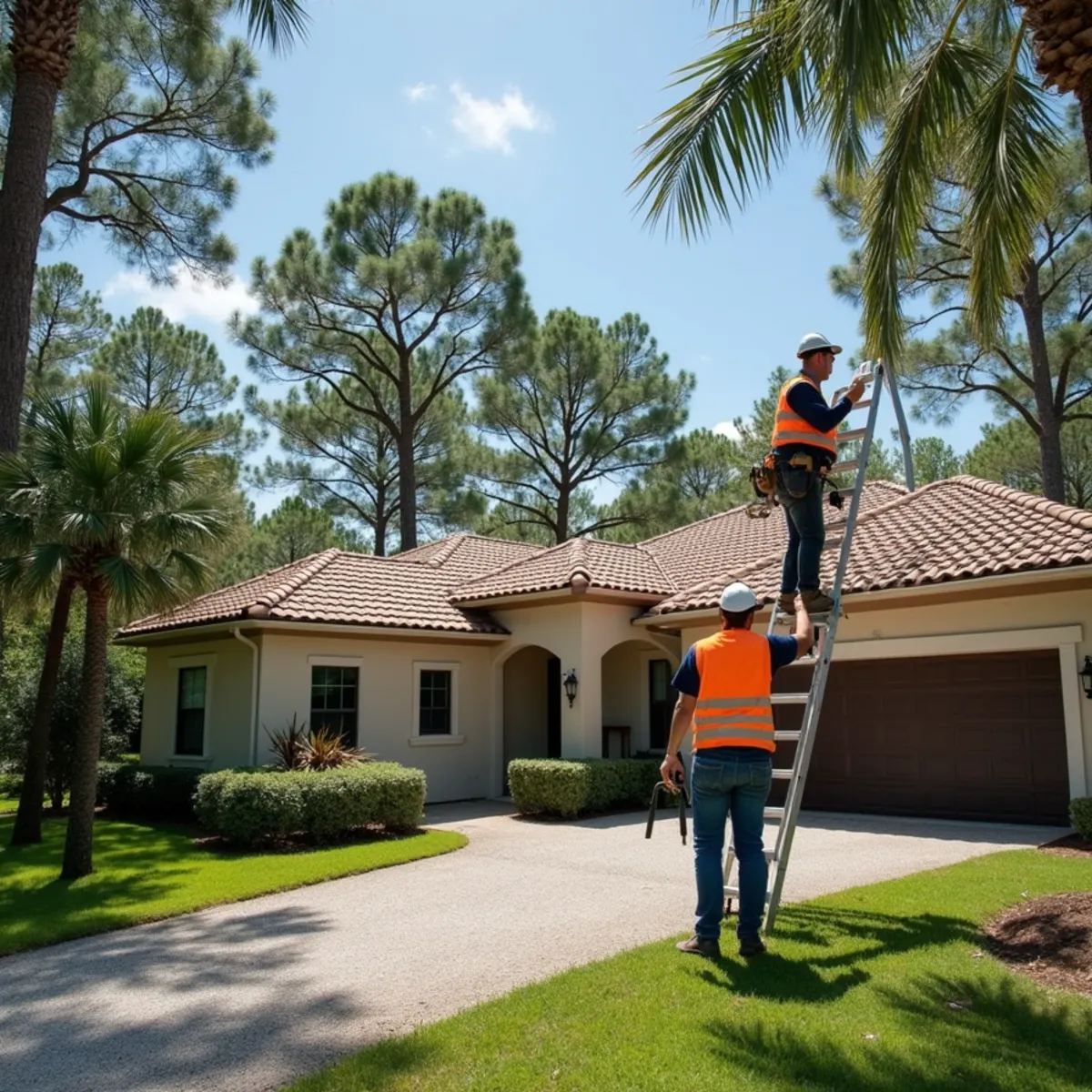
A professional roof inspection report in Boca Raton should document every roof slope with labeled photos, the attic and deck from below, each flashing and penetration, underlayment condition where visible, and an estimated remaining life stated as a range. It should end with prioritized recommendations you can act on: fix now, plan for, or monitor.
A roof inspection is only as useful as the report that comes out of it. If you get back a single paragraph that says "roof in fair condition," you paid for an opinion, not an inspection. A proper report shows you what the inspector saw, where they saw it, and what it means for your budget over the next few years.
Below is what a professional roof inspection in the Boca Raton area should cover, and how to read the report you receive.
What Happens on the Roof
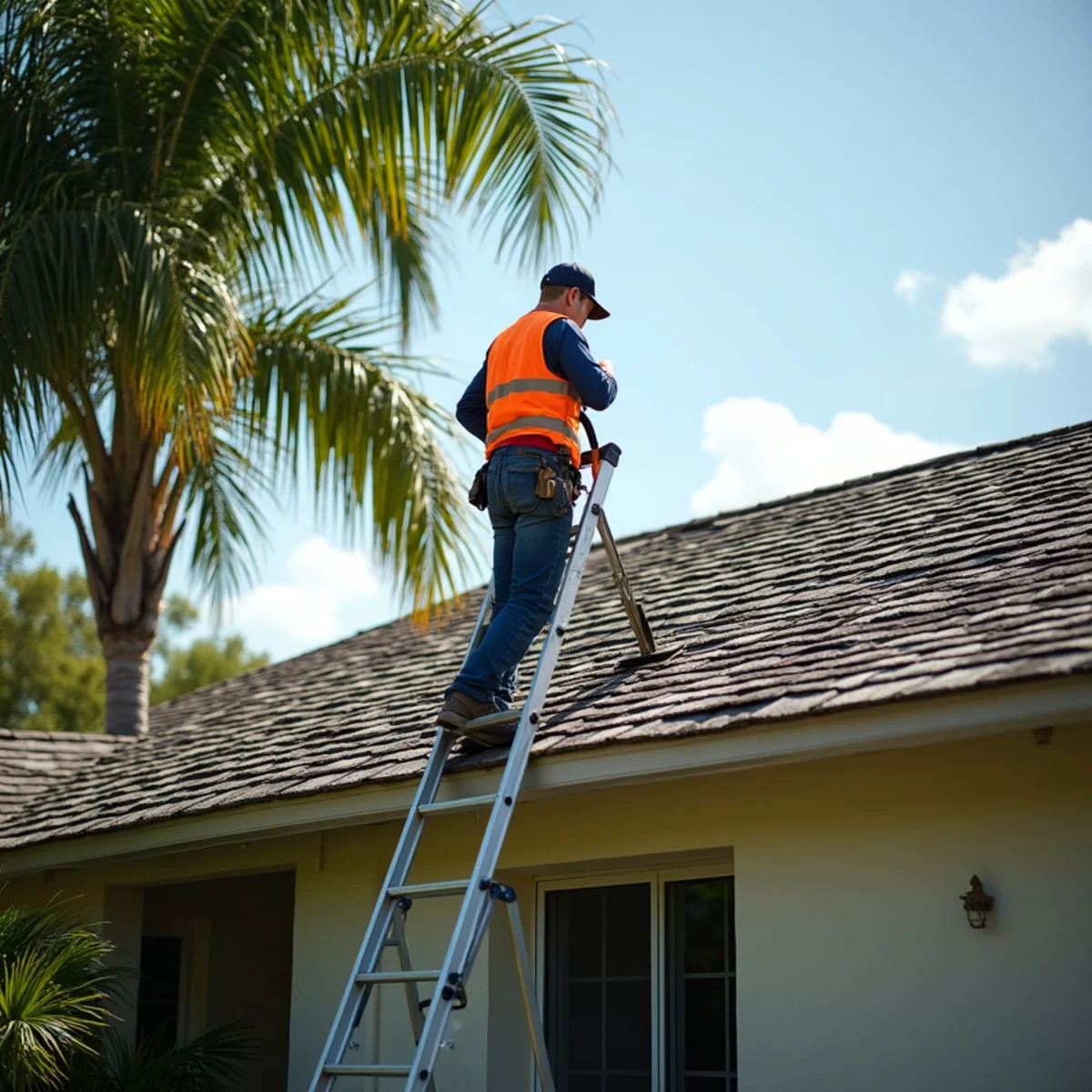
The inspector should walk the roof when it is safe to do so. Tile roofs need care here: an experienced inspector steps on the lower third of each tile, near the headlap, to avoid cracking them. Low-slope sections get walked end to end.
On a tile roof, expect them to check:
- Cracked, slipped, or missing field tiles, with locations noted per slope
- Hip and ridge tiles for loose mortar or failed foam adhesive
- Bird stop and eave closure along the eaves
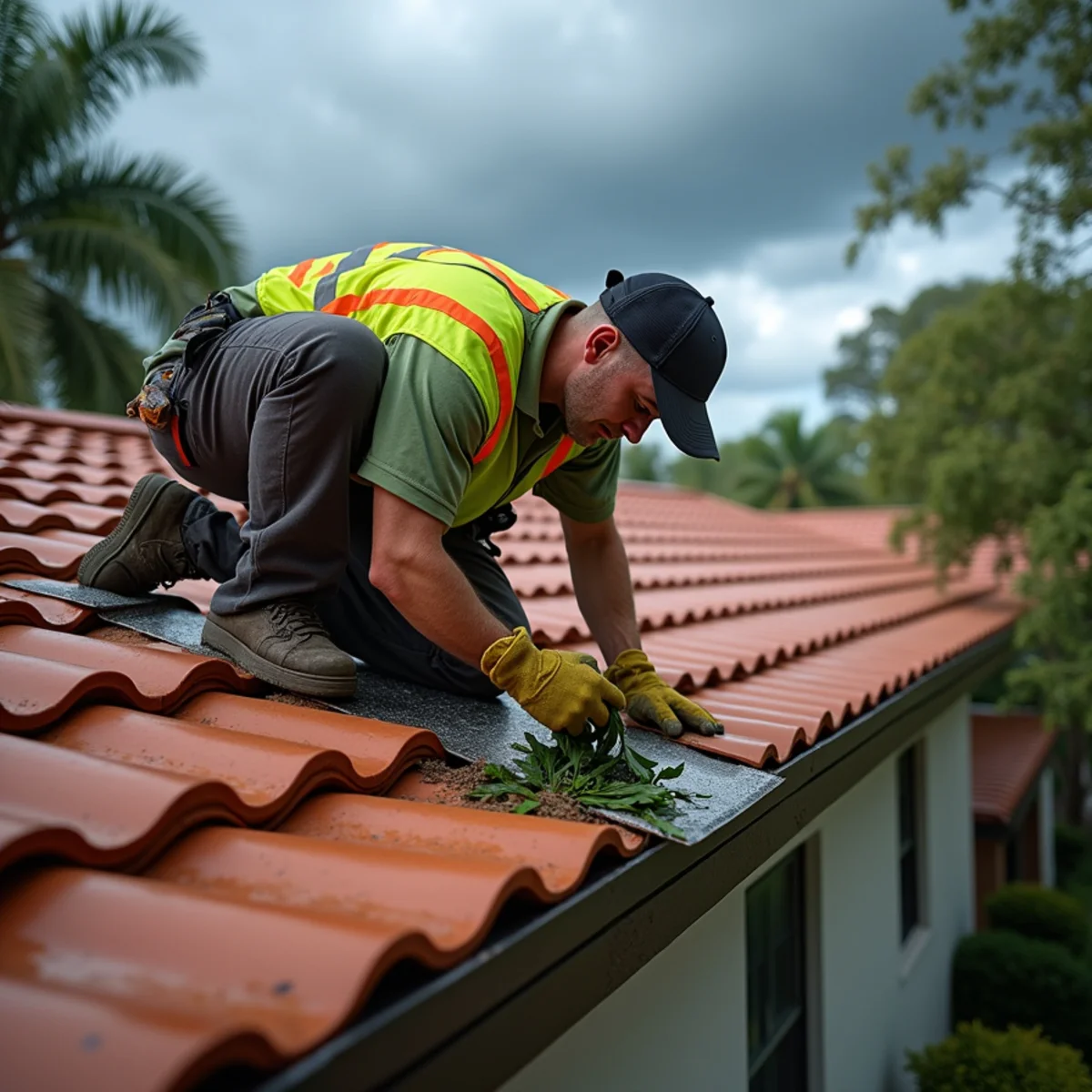
- Valley metal for rust, debris dams, and tiles cut too tight to the channel
- Signs of tile uplift near corners and rakes, where wind pressure runs highest
On a shingle roof the list shifts to granule loss, creased or lifted tabs, exposed nail heads, failed sealant strips, and the condition of the drip edge.
Every roof, regardless of material, gets a close look at penetrations and transitions. That means pipe boots (lead or neoprene), counterflashing where the roof meets a stucco wall, stucco stop, skylight curbs, and any spot where a flat section ties into a pitched one. Many leaks start at one of these details rather than in the middle of a field of tile.
What Happens in the Attic
The attic tells you what the roof surface cannot. From inside, an inspector looks for water stains on the underside of the deck, daylight around penetrations, rusted nail tips, and delaminating plywood or OSB. On older homes built with 1x6 tongue-and-groove decking, they check for boards that have darkened or softened near the eaves.
Deck condition matters because it cannot be fully judged from above. A soft spot underfoot on the roof, confirmed by staining in the attic below, is a strong sign that section of deck will need replacement at the next re-roof.
A moisture meter earns its place here, especially on ceilings below suspected leak areas. Readings should be recorded with a location, not just "elevated moisture."
Ventilation, Insulation and Attic Heat
A South Florida attic in August can run far hotter than the air outside, and that heat cooks underlayment and shingles from below. The report should say what intake and exhaust the roof actually has: soffit vents, ridge vent, off-ridge or gable vents, powered fans. It should also note soffit vents painted shut or buried under blown-in insulation, bath and dryer ducts that dump moist air into the attic instead of through the roof, and insulation that is matted or stained. Poor airflow will not show up as a leak, but it shortens roof life and often explains mildew on the underside of the deck.
What the Written Report Should Include
A strong report is organized so that someone who was not on the roof, like your insurance agent, a buyer, or a family member, can follow it. At minimum it should contain:
- Property basics: address, date, weather, roof type, approximate age if known, and the number of roof sections
- Photos organized by slope or elevation, each labeled with what it shows
- Deck findings, including soft spots, marked on a simple roof diagram
- An underlayment assessment: apparent age and condition where visible at eaves, penetrations, or broken tiles
- Flashing and penetration notes, item by item
- Gutter, fascia, and soffit condition where it affects the roof edge
- An estimated remaining useful life, stated as a range
- Prioritized recommendations: what needs attention now, what can wait a season, and what to monitor
Why Photos per Slope Matter
Photos labeled "north slope, second course above gutter" are far more useful than a gallery of forty unlabeled close-ups. Labeled photos let you verify the finding, compare it at the next inspection, and hand the report to a third party without a phone call to explain it. If you ever file a claim, dated photos of the roof's pre-storm condition can also help separate old wear from new damage.
How to Read the Remaining-Life Estimate
No one can predict a roof's life to the year. A reasonable report gives a range and explains what drives it. On a concrete tile roof, the tiles often outlast the underlayment beneath them, so the estimate should focus on the underlayment. On shingles, it tracks granule loss, brittleness, and how well the tabs are still sealed.
This number carries weight in Florida because insurers may ask for an inspection on older roofs, and the rules on roof age keep changing. Confirm current requirements with your agent before relying on any single figure.
Inspection Report, Roof Certification or Four-Point: Which Do You Need?
Florida homeowners get asked for three different roof documents, and they are not interchangeable. Knowing which one the requester wants saves you a second visit.
- Full roof inspection report: the detailed document described above. It is for you, for planning repairs or a re-roof, and for sharing with a buyer or contractor.
- Roof condition form for an insurer: a short, standardized form some carriers use when a roof is older. Citizens Property Insurance, for example, publishes its own roof inspection form that asks for the roof covering type, age, visible damage, an estimate of remaining life and photos of each roof plane, signed by a Florida-licensed professional. Private carriers may use their own version.
- Four-point inspection: a summary of roof, electrical, plumbing and HVAC, usually required to write coverage on an older home. It captures the roof in a few lines only.
Before you book, ask your agent or lender which form they will accept and who is allowed to sign it. The list of qualified signers and the form versions change, so get the answer in writing rather than relying on what a neighbor used last year. A detailed report can usually support the shorter forms, but the reverse is rarely true.
Signs of a Weak Report
Be cautious if the report:
- Contains no photos, or photos without locations
- Skips the attic entirely without explaining why
- Gives a remaining-life estimate with no reasoning behind it
- Lists every item as urgent, or none of them
- Recommends full replacement without documenting why repair would not work
An inspection report should make your next decision easier. If you finish reading it and still do not know whether to repair, budget, or replace, ask the inspector to clarify before you act.
Coastal Homes Need a Closer Look
On the barrier island, the checklist gets longer. Homes in Highland Beach sit in direct salt spray off the Atlantic, which speeds corrosion of fasteners, valley metal, and flashing. A careful inspector there looks for rust streaking below metal details, pitted drip edge, and fasteners bleeding rust onto tile or trim. Those findings deserve their own photos in the report, because they can shorten a roof's remaining life even when the tiles still look fine.
Inland homes are not exempt. Tree cover in older Boca neighborhoods drops debris into valleys, and trapped moisture ages underlayment faster than sun alone.
Putting the Report to Work
Treat the report as a working document. Small fixes like reset tiles or a replaced pipe boot are best handled quickly with tile roof repair, before a summer storm turns them into interior damage. Larger findings give you time to plan a re-roof in the drier months instead of reacting during hurricane season. And if storm damage is part of the picture, the report's photos become a foundation for roof insurance claim documentation, though no inspection can guarantee how an insurer will decide.
What We See Behind a Clean-Looking Report
Some findings show up on Boca Raton roofs often enough that we look for them on purpose, and a report that never mentions them deserves a second question.
- Tiles cracked by other trades. Air-conditioning techs, satellite installers and pressure-washing crews walk tile roofs in the wrong spots. The damage clusters near condenser lines, dish mounts and roof access points.
- Mastic "repairs." Roofing cement smeared over a lead boot or a flashing seam can stop a drip for a season, then crack in the sun. It also hides what was underneath, so we photograph it and call it a temporary fix.
- Painted or sealed tile. Roof paint and clear sealers can make a tired roof look new from the street. They do nothing for the underlayment and can mask hairline cracks.
- Old tarp damage. Nail or screw holes from a post-storm tarp that were never sealed are easy to miss unless someone checks the ridge and upper courses.
There are honest limits too. A walk-through inspection is visual. Underlayment under intact tile can only be seen by lifting a few tiles at suspect spots, and every lifted tile carries a small chance of breakage, so that step should be agreed in advance. Moisture meters read drywall and wood, not concrete tile. A good report states what could not be checked and why, instead of implying the whole roof was seen.
Book an Inspection That Gives You Answers
A roof inspection should leave you with clear photos, honest findings, and a plan you can act on. Rising Roof Services inspects roofs across Boca Raton and nearby coastal communities, and we write reports you can share with your agent, insurer, or buyer without translation. Call (831) 666-1600 to schedule an inspection.
Frequently asked questions
How long does a residential roof inspection take?
Most single-family inspections take one to two hours on site, depending on roof size, pitch, and access to the attic. Tile roofs take longer because the inspector has to step carefully and check hips, valleys, and eaves individually. The written report usually follows within a few days so the photos can be organized and labeled by roof section.
Is a roof inspection report the same as an insurance four-point inspection?
No. A four-point inspection is a brief insurance form covering the roof, electrical, plumbing, and HVAC systems at a summary level. A dedicated roof inspection goes much deeper, with slope-by-slope photos, attic findings, deck and underlayment notes, and prioritized recommendations. Some insurers also accept a separate roof condition form, so ask your agent which document they need.
Should I be home during the roof inspection?
It helps if you can be there, or at least available by phone. You can point out known leak spots, give access to the attic, and share the roof's age or permit history. Being present also lets you ask questions while the inspector is still on site, which often makes the written report easier to understand later.
How often should a roof in Boca Raton be inspected?
A reasonable rhythm is once a year, with March or April being a sensible slot ahead of June storms, plus a check after any storm with strong wind or a new ceiling stain. Roofs past their midlife, tile roofs with original underlayment, and flat sections that hold water benefit from closer attention. Keeping each year's report lets you compare the same photo locations and spot changes early.
Can the same inspection report be used for insurance and for a home sale?
Often it can serve as the supporting record, but insurers usually want their own form filled out and signed, and a buyer's inspector will still do an independent review. Ask your agent which form they need before the visit so the inspector collects the right photos and details in one trip instead of two.