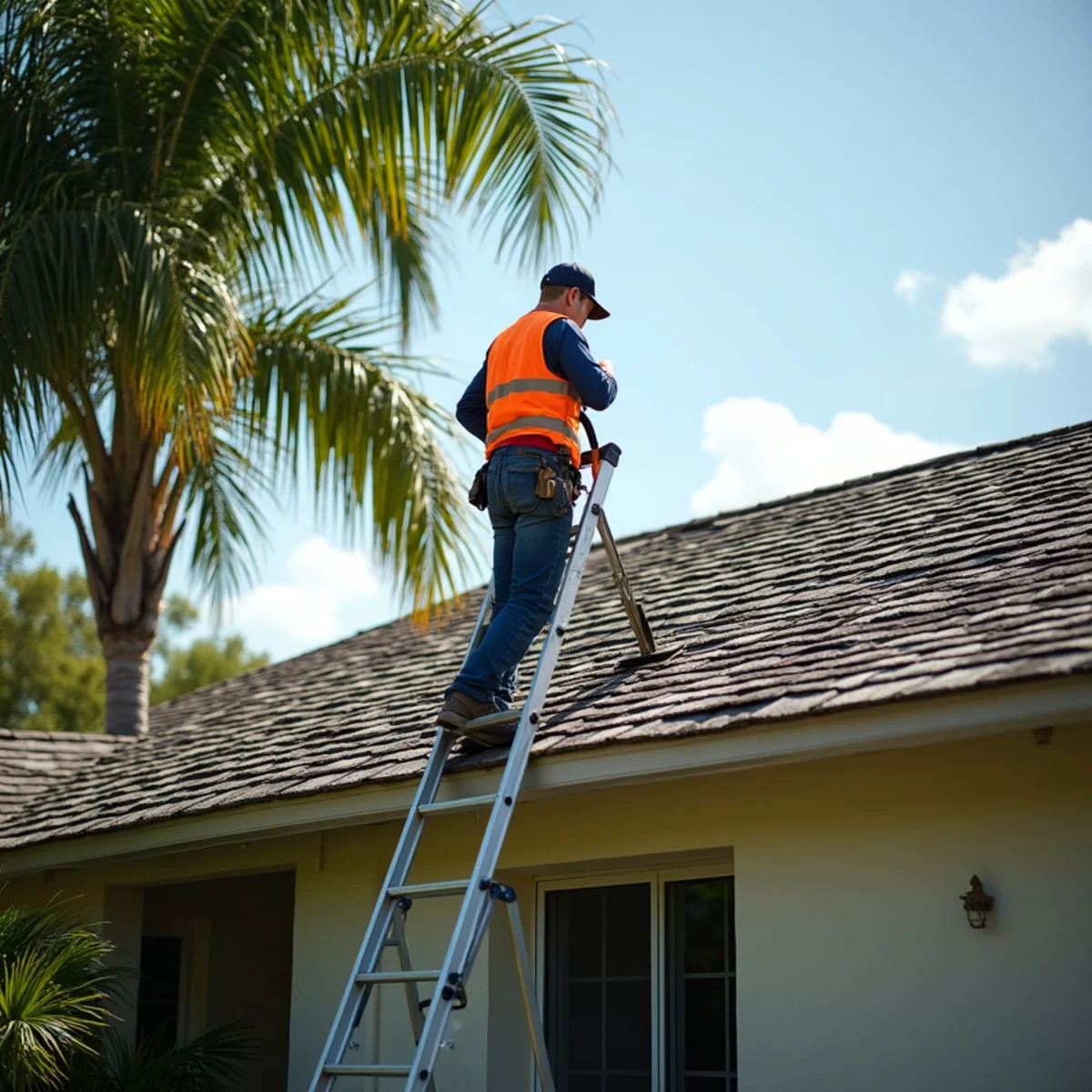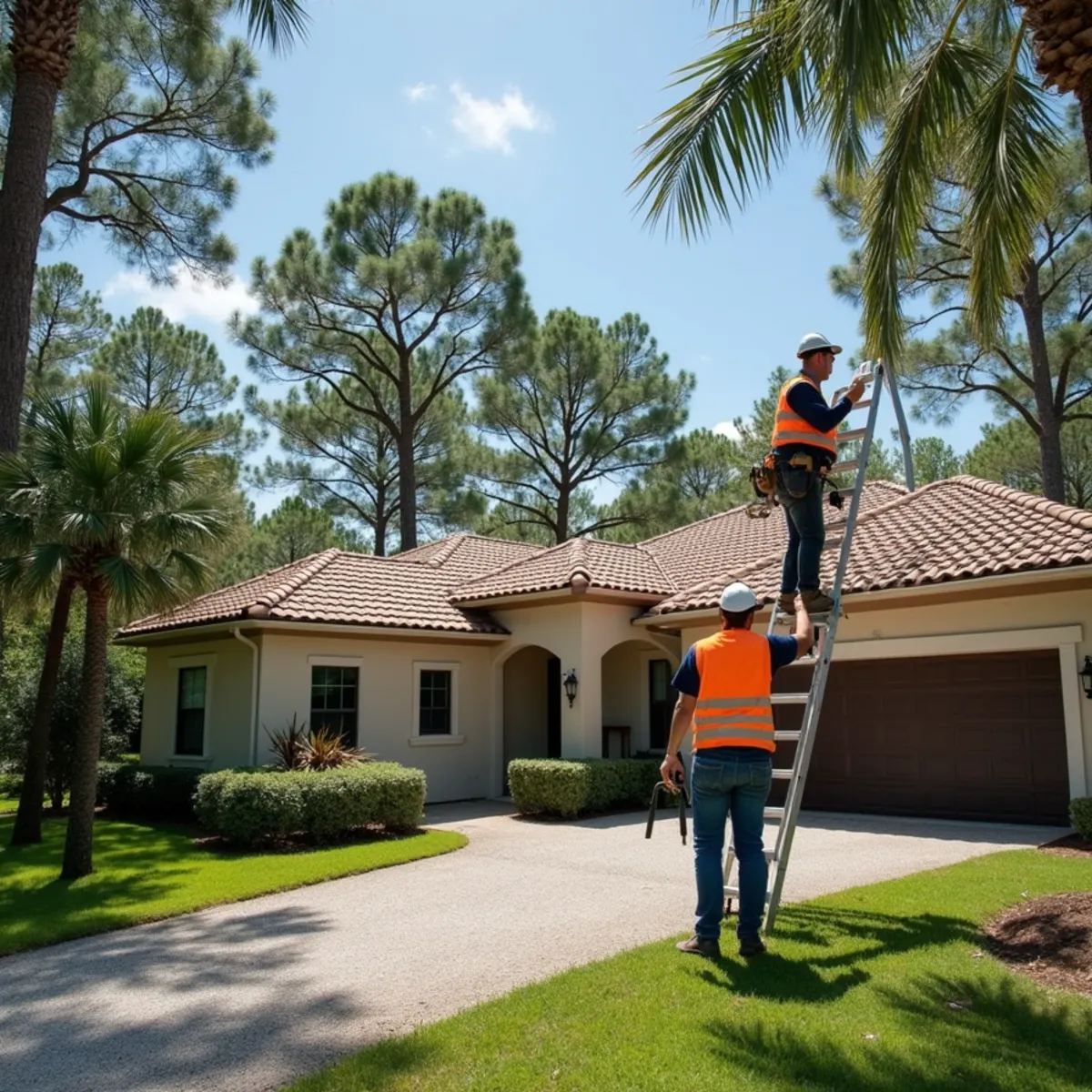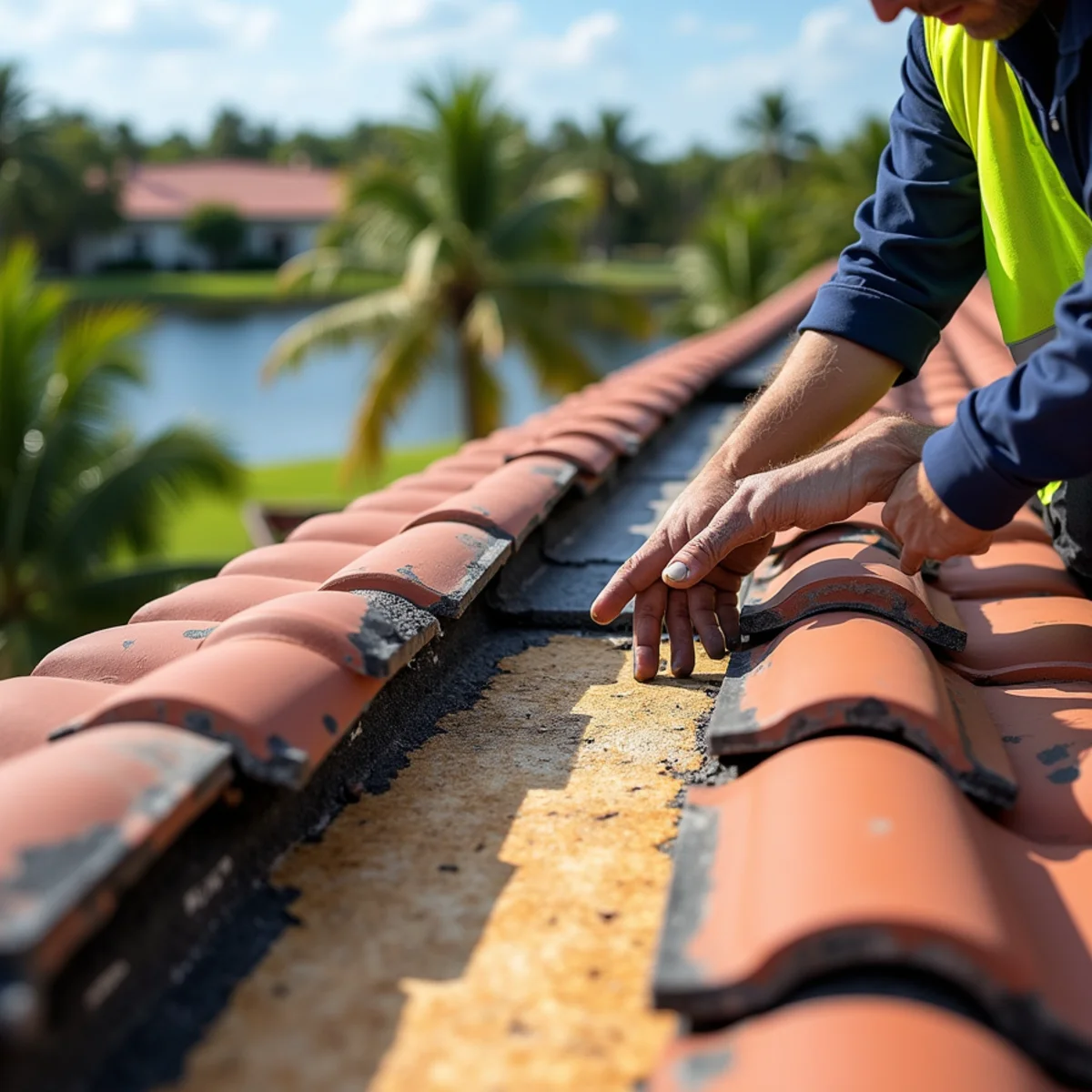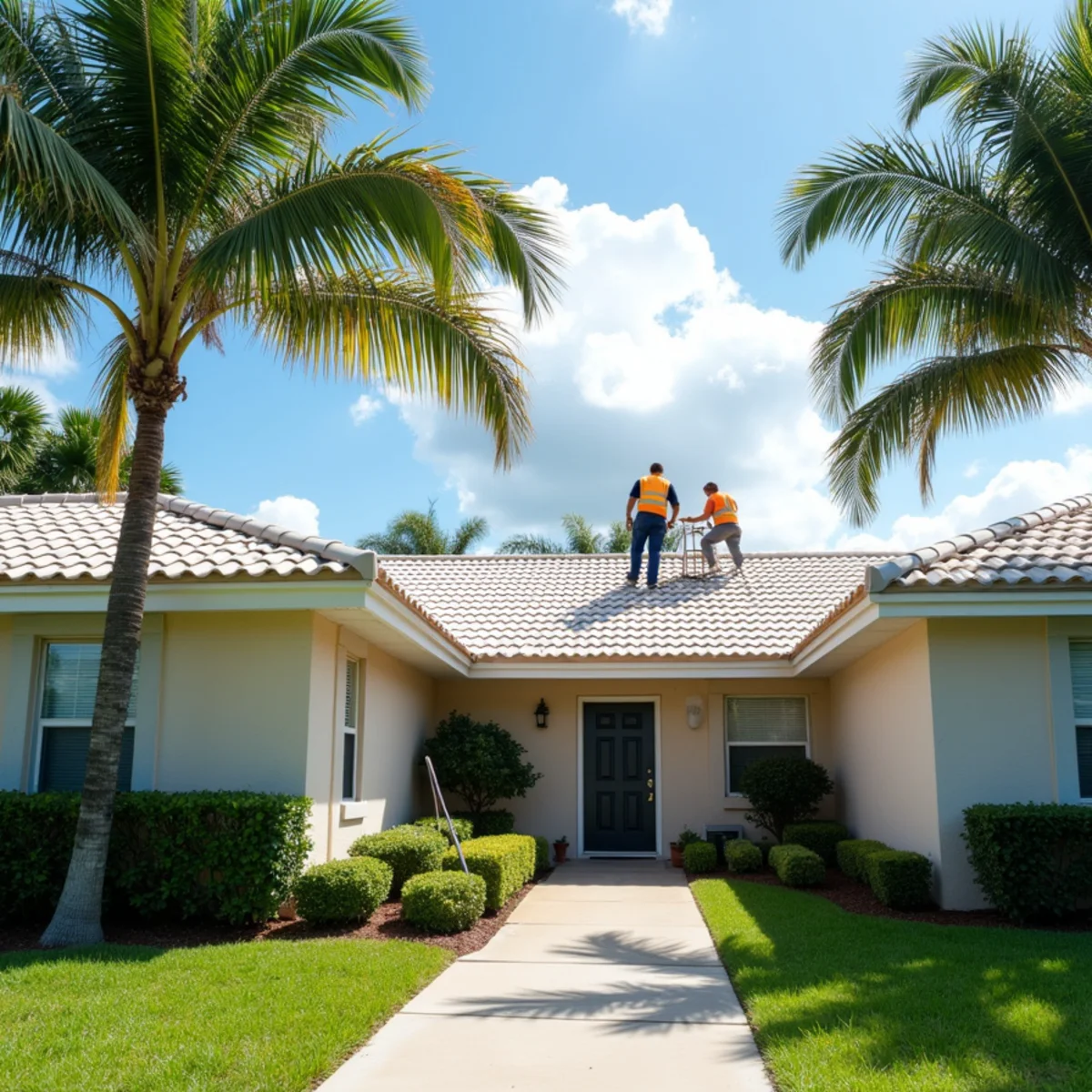
An HOA roof replacement in West Boca usually needs two approvals: the association’s architectural sign-off on material, color and contractor, and a Palm Beach County building permit. In condo-style villa sections, the association may own and replace the roof itself. Read your declaration first, then coordinate with any neighbor who shares your roof.
In a West Boca 55+ or villa community, the roof over your head is rarely just your decision. Your association's governing documents may control who maintains it, which materials and colors are allowed, when crews can work, and whether you need approval before a single tile is replaced. Sorting out those rules before you hire anyone saves delays, fines, and awkward conversations with the neighbor who shares your roof.
Start With the Governing Documents
Every community is different, and the answers live in your declaration, bylaws, and architectural guidelines. The first question is legal structure.
- Condominium associations (Florida Statutes Chapter 718): Roofs are usually common elements, maintained and replaced by the association. Individual owners generally do not hire their own roofer for the building.
- Homeowners associations (Chapter 720): Owners typically own their lots and roofs, while the association regulates appearance through architectural review.
- Villa and townhome sections: These can fall under either structure, and some declarations assign roof responsibility to the association even when the owner holds title to the unit.
If you are not sure which you have, your property manager or the recorded documents will tell you. When the documents are ambiguous, the board and its attorney decide, not the roofer.
What Florida Law Now Says About Associations and Roofs
State law has moved in the last few years, and two changes matter to West Boca owners and boards. Statutes are amended often, so treat this as orientation and confirm details with the association’s attorney.
HOAs and Hurricane-Rated Roof Systems
A 2024 amendment to section 720.3035 of the Florida Statutes requires homeowners’ associations to adopt hurricane protection specifications, and roof systems recognized by the Florida Building Code that meet ASCE 7-22 are listed as hurricane protection. The association can still set color, style and similar standards. What it generally cannot do is deny an application for a roof that conforms to the specifications it adopted. If your board has not published specifications yet, ask when it will.
Condominiums and Structural Reserve Studies
Condo associations under Chapter 718 have tighter reserve and inspection duties since the post-Surfside reforms. The structural integrity reserve study, which includes the roof, applies to buildings three habitable stories or taller. Most single-story villa buildings fall outside it, but mid-rise condo buildings in the same community may not. Either way, a roof funded from reserves follows the association’s budget process, not an individual owner’s timeline.
What Architectural Review Usually Asks For
Most associations that let owners handle their own roofs still require architectural approval before a re-roof. Typical submission items include:
- The contractor's state license and certificates of insurance
- The roof material, manufacturer, profile, and color, often with a sample or product sheet
- A copy of the permit, or confirmation that one will be pulled
- Proposed start date and expected duration
- Where the dumpster and material pallets will be staged
Many communities specify an approved tile color and profile. Choosing something outside that list usually means a denial or a longer review, so ask for the approved list before you pick a tile.
Approval timelines depend on how often the committee meets. Build that into your schedule, especially if you want the work done before the rainy season.
Shared-Roof Villas: The Hardest Case
In many older villa communities, two or more units sit under one continuous roof, with a party wall dividing the homes below. That creates a real problem when one owner needs a new roof and the neighbor does not.
The Tie-In at the Party Wall
If one half is replaced and the other is not, the new roof has to join the old one along the dividing line. That joint needs careful detailing: the new underlayment must lap and seal against the old system without trapping water, and the tile or shingle courses need to transition cleanly. A poor tie-in often becomes the leak point for both units.
Coordinating With Neighbors
Replacing a shared roof at the same time is almost always the better outcome. It eliminates the tie-in, can simplify permitting, and gives both owners a matching roof. Some associations require or encourage coordinated replacement by building. If yours does not, have the conversation with your neighbor before you sign a contract.
When a leak shows up near the party wall, find out whether it is coming from your side, your neighbor's side, or the joint between them. The answer determines who pays, and your documents may spell that out.
Scheduling and Site Rules
Gated 55+ communities often have rules that directly affect roofing work:
- Permitted work hours and days, sometimes excluding weekends and holidays
- Gate access procedures for crews and delivery trucks
- Where dumpsters and pallets may sit, and for how long
- Protection of shared landscaping, walkways, and irrigation heads
- Cleanup standards, including magnetic sweeps for nails
A contractor who has worked inside gated West Boca communities should ask about these up front. Noise, dust, and staging affect neighbors, many of whom are home during the day.
Communities Where These Rules Come Up
West Boca has a large concentration of age-restricted and villa communities. Whisper Walk and Villages of Oriole are the kind of communities where attached homes, association oversight, and aging roofs overlap. When buildings of the same age share the same roof details, the same problems tend to repeat from one building to the next, which is one reason boards often prefer phased or coordinated replacement.
Repairs Versus Replacement Under an Association
Small repairs, like swapping a cracked tile or replacing a pipe boot, often do not need architectural approval, but read your rules. Some associations require notice for any roof work, or require that repairs match existing materials exactly. Matching a discontinued tile can be difficult, so find out whether your association keeps spare tiles or maintains a list of acceptable substitutes. For routine fixes on a single home, standard roof repair usually moves quickly once any notice requirement is met.
Larger work is where the process matters most. Our HOA and villa roof repair service works with boards, managers, and individual owners, and a tile roof replacement in these communities typically starts with the architectural submission rather than the permit.
Remember that unincorporated West Boca permits go through Palm Beach County, and board approval is a separate step. Neither one substitutes for the other.
What We Find on Aging Villa Roofs
Villa buildings from the same era tend to fail in the same places, and a few of those problems are specific to attached homes.
- Patchwork buildings. When units are re-roofed one at a time over the years, a single building can carry three roof ages and three shades of tile. Each seam between them is a tie-in to maintain.
- The top of the party wall. Where a dividing wall rises to the roof deck, the ridge or cap over it often holds a mortar joint that cracks as the two halves move differently in heat.
- Shared gutters and downspouts. One owner’s clogged gutter can overflow onto the neighbor’s entry or back water under the eave on both sides.
- Discontinued tile. Older flat and barrel profiles are hard to match. Salvaged tiles from a completed re-roof in the same community are often the closest color match for repairs, if the association keeps them.
- Rear porches on low slope. Many villas have a screened or enclosed back porch under a shallow roof that ties into the main tile roof and leaks long before the main roof does, for the reasons covered in our guide to flat and patio roof leaks.
The trade-off boards weigh is phasing. Replacing one building at a time spreads the cost but leaves years of mixed roofs and tie-ins. Replacing by building, with both halves done together, is usually the cleaner long-term answer even when it takes more planning up front.
Plan the Paperwork Before the Roof
HOA rules in West Boca's 55+ and villa communities can feel slow, but they exist to protect shared roofs and property values. Rising Roof Services helps owners and associations prepare architectural submissions, coordinate shared-roof work, and schedule crews around community rules. Call (831) 666-1600 to talk through your roof and your association's requirements.
Frequently asked questions
Who pays when a leak comes from a shared villa roof?
It depends on your declaration. Some documents make the association responsible for all roofs, others make each owner responsible for the portion over their unit, and a few split costs for shared elements like the party wall joint. Get the leak source documented by a roofer first, then check the documents or ask the manager before assuming responsibility.
Can my association force me to replace my roof?
Associations can generally enforce maintenance standards written into their governing documents, which may include requiring repairs to a visibly deteriorated roof. Whether they can require a full replacement, and on what timeline, depends on the specific language and Florida law. If you receive a notice, ask for the cited provision in writing and consider speaking with an attorney.
How long does HOA architectural approval take for a re-roof?
Timelines vary with how often the committee meets and whether the submission is complete. A package with the license, insurance, product sheet, color selection, and staging plan in order tends to move faster than one missing items. Ask the manager for the meeting calendar and submission deadline so the approval lines up with your permit and crew schedule.
Do I need HOA approval to tarp my villa roof after a storm?
Temporary protection to stop water from getting in is usually allowed without waiting for a committee, because it prevents further damage to your unit and possibly your neighbor's. Tell the manager the same day, share photos, and ask whether the association limits how long a tarp may stay up. The permanent repair or re-roof then goes through the normal approval process.