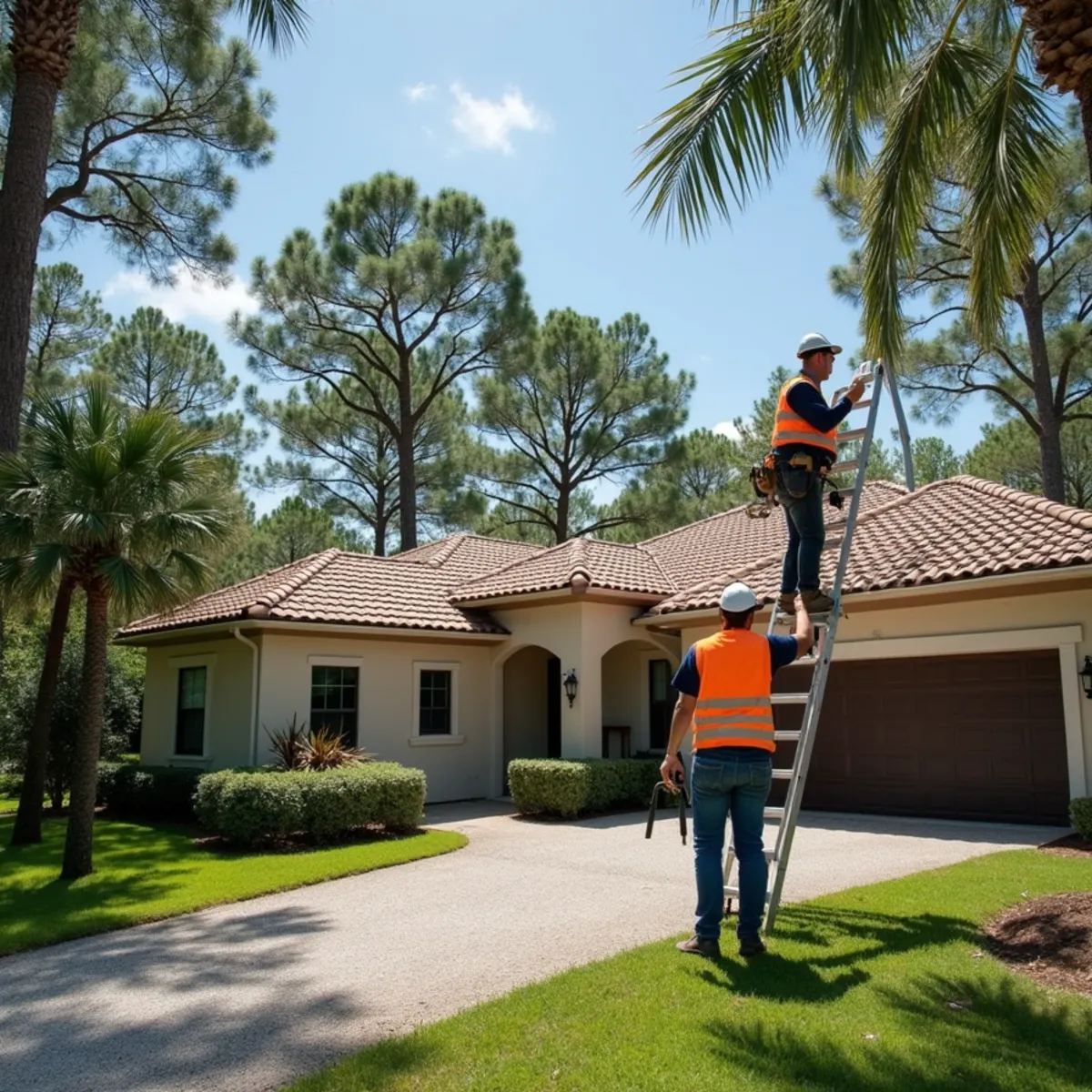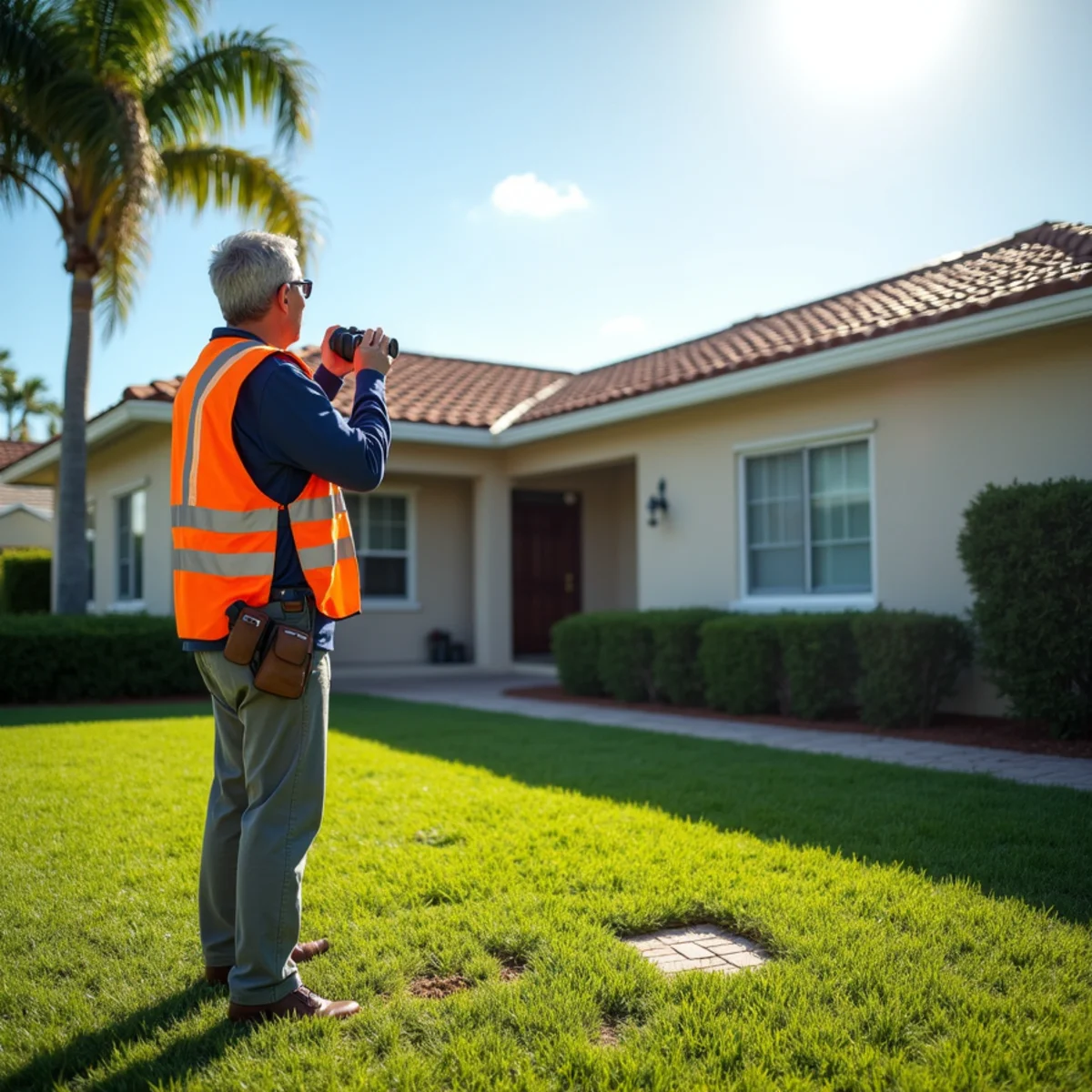
After hurricane roof damage in West Boca, document in this order: write down the storm name and date of loss, photograph every side of the house from wide to close before cleanup or tarping, capture interior damage and debris where it landed, then have a roofer photograph the roof surface and write a scope your insurer and HOA can use.
The record you build in the first days after a hurricane is the one your claim, your HOA, and your roofer will lean on for months. Memory fades, debris gets hauled off, and a tarp hides what was underneath. Documenting in a deliberate order, starting with the facts that cannot be recreated later, keeps that record complete.
Start with the date of loss
Before you take a single photo, write down the basics on paper or in a phone note:
- The storm's name and the date it passed through West Boca
- The date and time you first noticed damage or a leak
- If you evacuated, the date you returned and what you found
- Anything you heard during the storm, such as tiles hitting the ground or a limb striking the roof
Insurers organize claims around a date of loss. Having it written down, with a timeline of what happened next, prevents confusion later.
Note which way the wind came from
Hurricanes do not always hit Boca from the ocean side. Wilma in 2005 crossed the peninsula from the Gulf coast and reached West Boca from the west, which put the heaviest load on slopes many homeowners never thought of as exposed. Write down the wind direction you remember, or look it up from local weather reports afterward, and note which slopes of your roof faced it. Damage that lines up with the storm's direction is easier for everyone to connect to that event.
Named storm or summer squall?
Not every damaging wind is a hurricane. Feeder bands can spin up brief tornadoes, and a strong summer squall line can strip tiles from a western Boca street without any named storm nearby. Your policy may have its own hurricane deductible, frequently written as a percentage of dwelling coverage, that applies only to losses tied to a declared hurricane. Record exact dates and times, because the insurer decides which deductible applies, and your declarations page shows what each one is.
Photograph in layers: wide, medium, close
Random close-ups of broken tile are hard to interpret weeks later. A layered sequence tells the story.
- Wide shots. Stand back and photograph each side of the house, including the address numbers in at least one frame. These establish which slope and elevation you are looking at.
- Medium shots. Frame each damaged area so its location on the roof is clear, for example the northeast hip or the valley over the garage.
- Close-ups. Get detail of cracked tiles, torn shingles, bent flashing, and exposed underlayment. Place a tape measure or a common object in the frame for scale when you safely can.
- Interior. Ceiling stains, wet drywall, damp attic insulation, and daylight through the deck.
- Debris where it landed. Tile fragments on the pool deck, shingles in the hedge, soffit panels on the lawn. Photograph them before you pick anything up.
A slow, narrated video walk-around of the outside and the affected rooms adds context that stills miss. Keep the original files; do not crop or filter them, since the embedded date and time data is useful.
Things homeowners often forget
The obvious damage gets photographed. These items are frequently missed:
- Pre-storm condition. Look for older photos of the roof, a previous inspection report, a wind mitigation report, or listing photos from when you bought the house. They help show the roof's condition before the storm.
- Every elevation, even undamaged ones. A photo showing that one slope is intact helps explain why another slope failed.
- Gutters, fascia, and soffits. Damage at the roof edge often lets wind-driven rain into the attic.
- Mitigation work and costs. Tarps, fans, dehumidifiers, and any emergency service invoices.
- Removed pieces. Keep a few intact and broken tiles in the garage. They document the profile and color.
West Boca details that affect your record
Most of West Boca sits in unincorporated Palm Beach County, so permits for roof repairs and re-roofs go through Palm Beach County Planning, Zoning and Building, not the City of Boca Raton. That matters when you plan repairs, and it is worth noting in your records.
Community rules matter too. In Boca Pointe, HOA guidelines commonly dictate tile color and profile on replacements, so your documentation should capture the existing tile clearly. Along the Glades Road corridor in the Hamptons at Boca Raton, many 55+ and golf communities run concrete tile roofs, and some villa associations insure or maintain the roofs themselves.
Before you file anything, read your governing documents and find out who is responsible for the roof: you, the association, or both. Send the association a copy of your photos either way, and keep a record of when you did.
Gated communities also add a practical step. Add your roofer to the gate access list ahead of the visit so the inspection is not delayed.
What your roofer should add
Your photos show what happened from the ground and inside. A roofer's inspection adds what only shows up at the roof surface:
- Photos of each damaged area, taken on the roof, tied to a roof diagram
- A count of broken or displaced tiles, or the area of missing shingles
- Condition of hip and ridge, valleys, flashing, and penetrations
- Observations about the underlayment where tiles are off
- A written scope of hurricane roof damage repair, with materials and quantities
If the roof is open, emergency roof tarping should happen right after those photos are taken, not before.
Photos of the damage before the tarp goes on are some of the most valuable images in the whole file. Ask your roofer to take them and send them to you.
How do you hand your record to the adjuster?
The adjuster inspection is where your record gets used. Presenting it in a usable order keeps the visit from becoming a rushed walk-around.
- Print or share a one-page damage list: each area, what you saw, and the date you first noticed it.
- Have your photo folder open on a tablet or laptop, sorted by elevation, so you can pull up pre-tarp images on request.
- Be home for the visit and walk the interior with the adjuster, including the attic access if there is one.
- Note which areas the adjuster photographs and which were not reached, such as a steep rear slope or the attic, so you know where your own images fill the gap.
- After the visit, send any photos the adjuster did not see in a single email, grouped by elevation, and log the date you sent them.
If a roofer has already documented the roof, hand the adjuster a copy of that report at the visit so the roof-level photos and diagram sit in the claim file next to yours. Our guide to preparing a roof insurance claim in Palm Beach County covers what happens after the estimate arrives.
Keep it organized in one place
Create one folder, physical or digital, for everything connected to the storm. Name photo sets by date and area, keep a simple log of calls and emails, and save every invoice. When the insurer or the association asks for something, you can send it the same day.
Our roof insurance claim documentation service puts the roofing side of this record together: photos, measurements, and a repair scope you can submit with your claim. To be clear about our role, we document conditions and write repair scopes. We do not act as public adjusters, we cannot promise how a claim will be decided, and we do not waive or rebate deductibles, which is illegal in Florida.
Field notes from West Boca storm inspections
A few documentation gaps come up again and again on West Boca roofs, and most of them are easy to close if you know about them.
Shared villa roofs. In attached villas and duplexes, one continuous tile roof often covers two or more units. Water that enters over a neighbor's section can travel along the shared ridge or party wall and show up in your ceiling. Mark on your photos where your section starts and ends, and ask the neighbor or association for their photos too.
Screen enclosures. Pool cages are usually fastened to the fascia or roof edge. When wind racks the frame, it can pull that connection loose, bend the gutter, and crack the first course of tile, and all of that is easy to blame on the cage alone. Photograph the attachment points as part of the roof record.
Counts that change. The number of broken tiles you see from the yard is rarely the number found on the roof. Loose tiles that looked fine from below, and cracks hidden under the course above, usually raise the count. That difference is normal, and it is why the roofer's diagram, not the yard photos, should carry the final quantities.
Fresh stains versus old ones. In the attic, a new water stain on the deck is dark and often still damp, while an older stain has dried to a pale ring with a hard edge. We photograph both and label them, because a mix of old and new staining is common and the claim should rest on the new.
Build the record before it disappears
Every day after a hurricane, a little more evidence gets cleaned up, covered, or weathered away. Starting with the date of loss, photographing in layers, and bringing in a roofer to document the roof surface gives you a record that holds together.
If your West Boca home took damage this season, call Rising Roof Services at (831) 666-1600 or request an inspection, and we will document the roof with clear photos and a written scope.
Frequently asked questions
How soon after a hurricane should I document roof damage?
As soon as it is safe to walk around the property. Early photos capture debris where it landed, active leaks, and damage before a tarp covers it. Waiting allows cleanup, additional rain, and sun exposure to change what the roof looks like, which can make it harder to connect the damage to a specific storm.
Do I need to tell my HOA about roof damage in West Boca?
In many West Boca associations, yes. Some associations maintain or insure villa roofs, and many require architectural approval for replacement tile color and profile. Check your governing documents to see who is responsible for the roof, and send the association your photos and dates so there is a record of when you reported it.
Should I throw away broken roof tiles after a storm?
Keep a few, both broken and intact, after photographing where they fell. They show the tile profile, color, and manufacturer markings, which helps with matching replacement tiles. They also support the record of what the storm did. Once the claim and repairs are complete, you can dispose of them.
Are phone photos good enough for a roof damage claim?
Usually, yes, if you take them well. Shoot in daylight, keep the original files without filters or cropping, and leave location services on so each image carries its date and place. Take a wide frame that shows where you are standing before each close-up. A short narrated video of each elevation fills in context that single photos cannot show.
How long should I keep records from a hurricane roof claim?
Keep them well after the claim closes and the repair is finished. The final invoice, permit, photos, and the insurer's estimate help at your next renewal, answer questions if a later claim involves the same area, and support disclosures when you sell. A single digital folder backed up off your phone is the simplest way to hold on to everything.